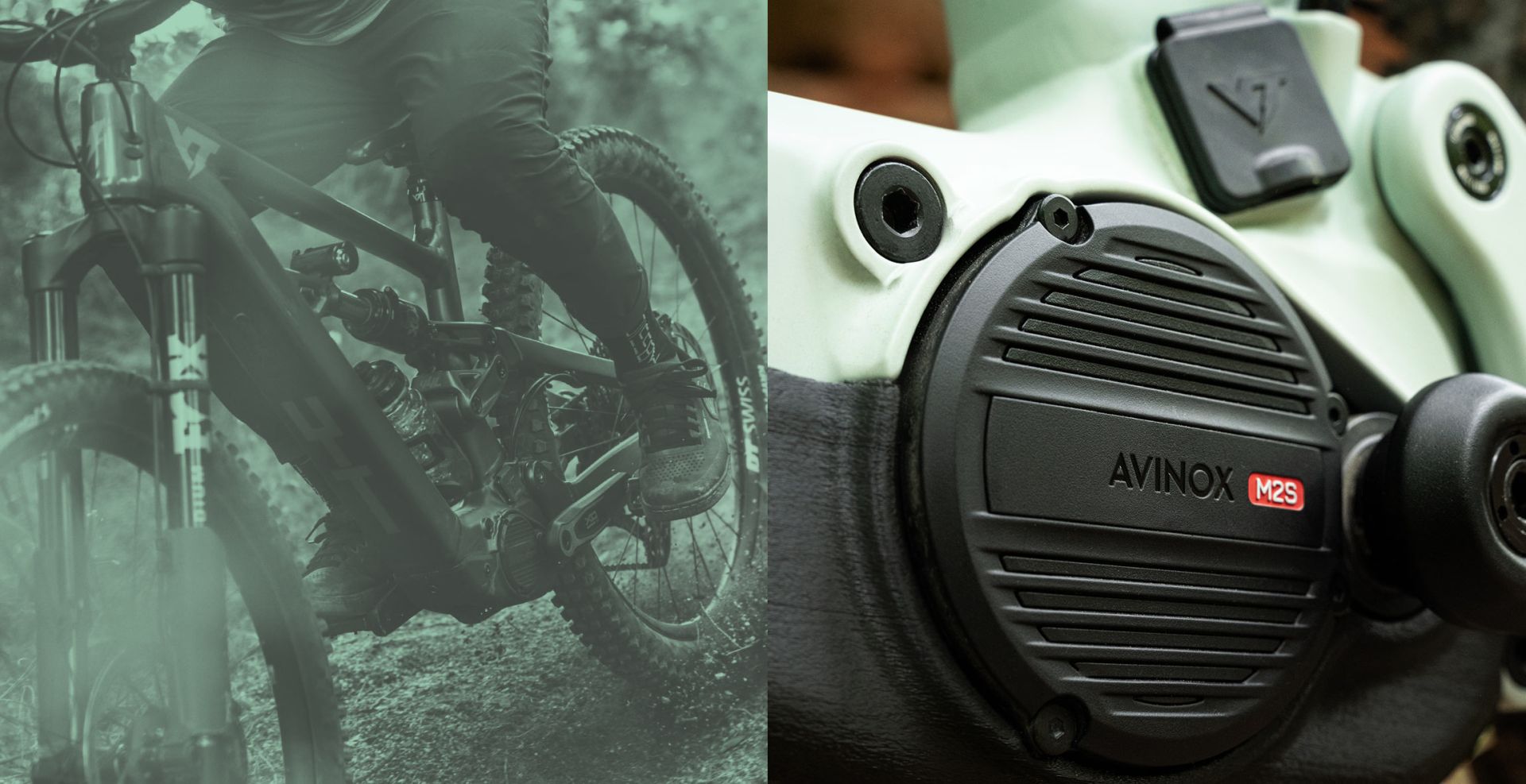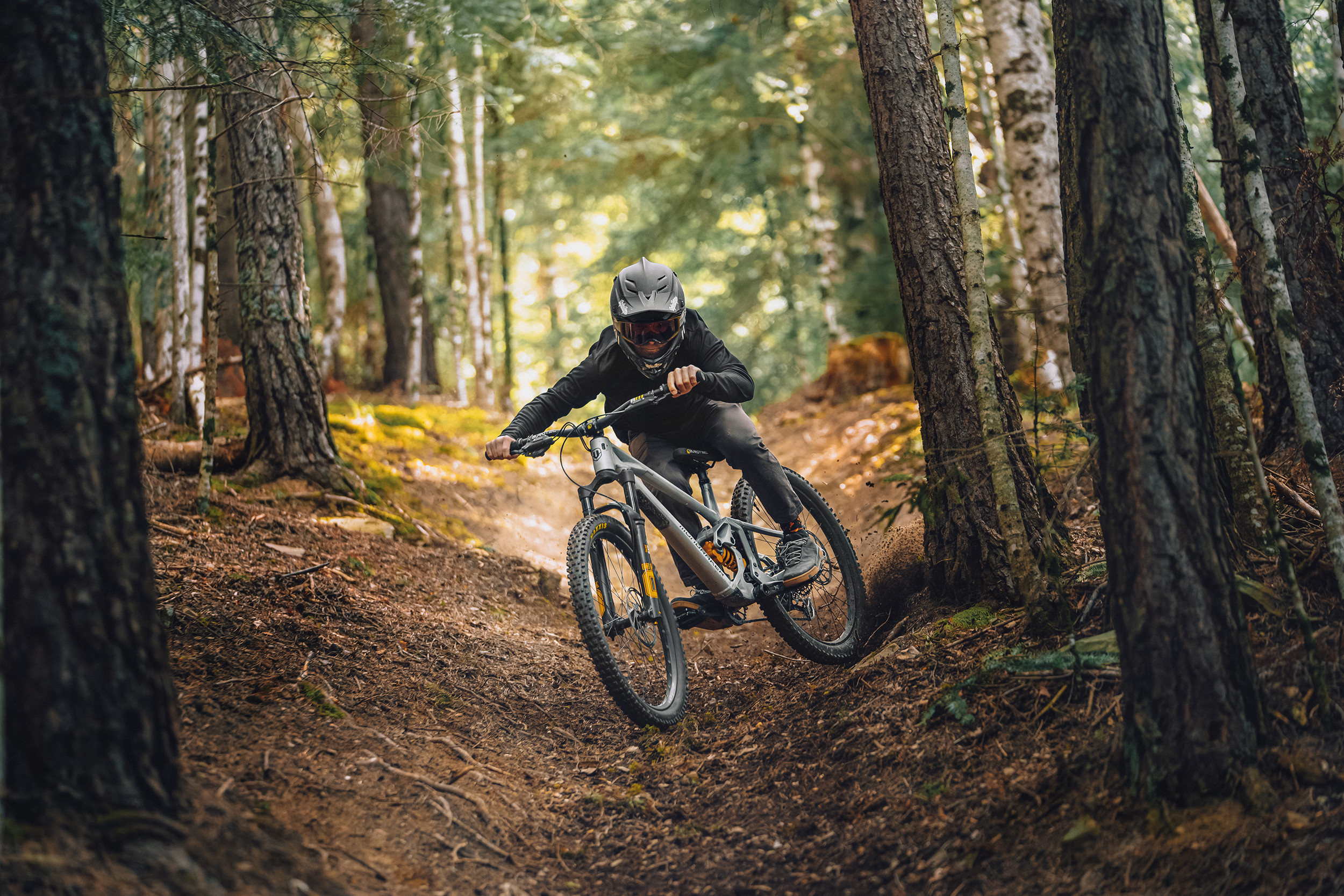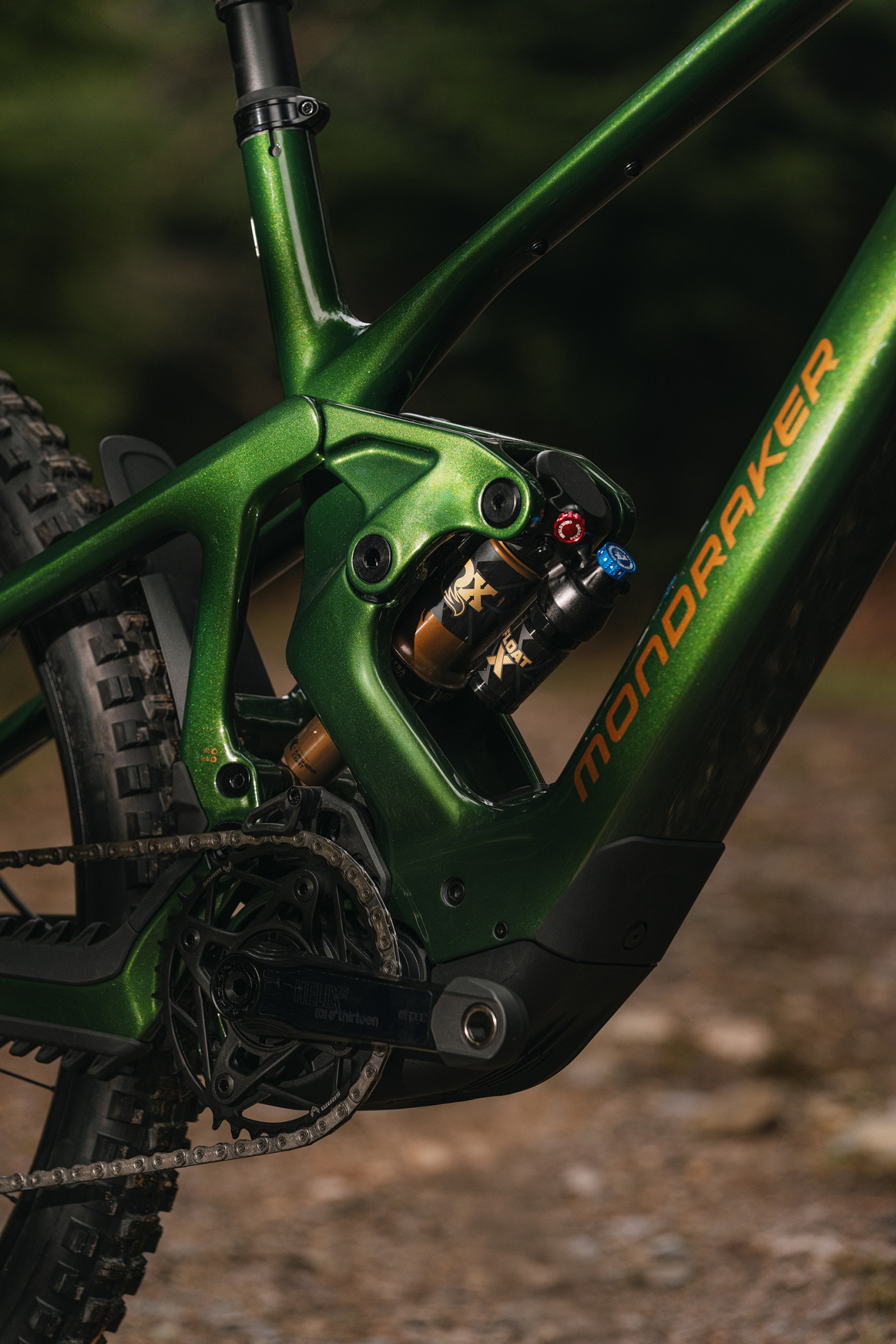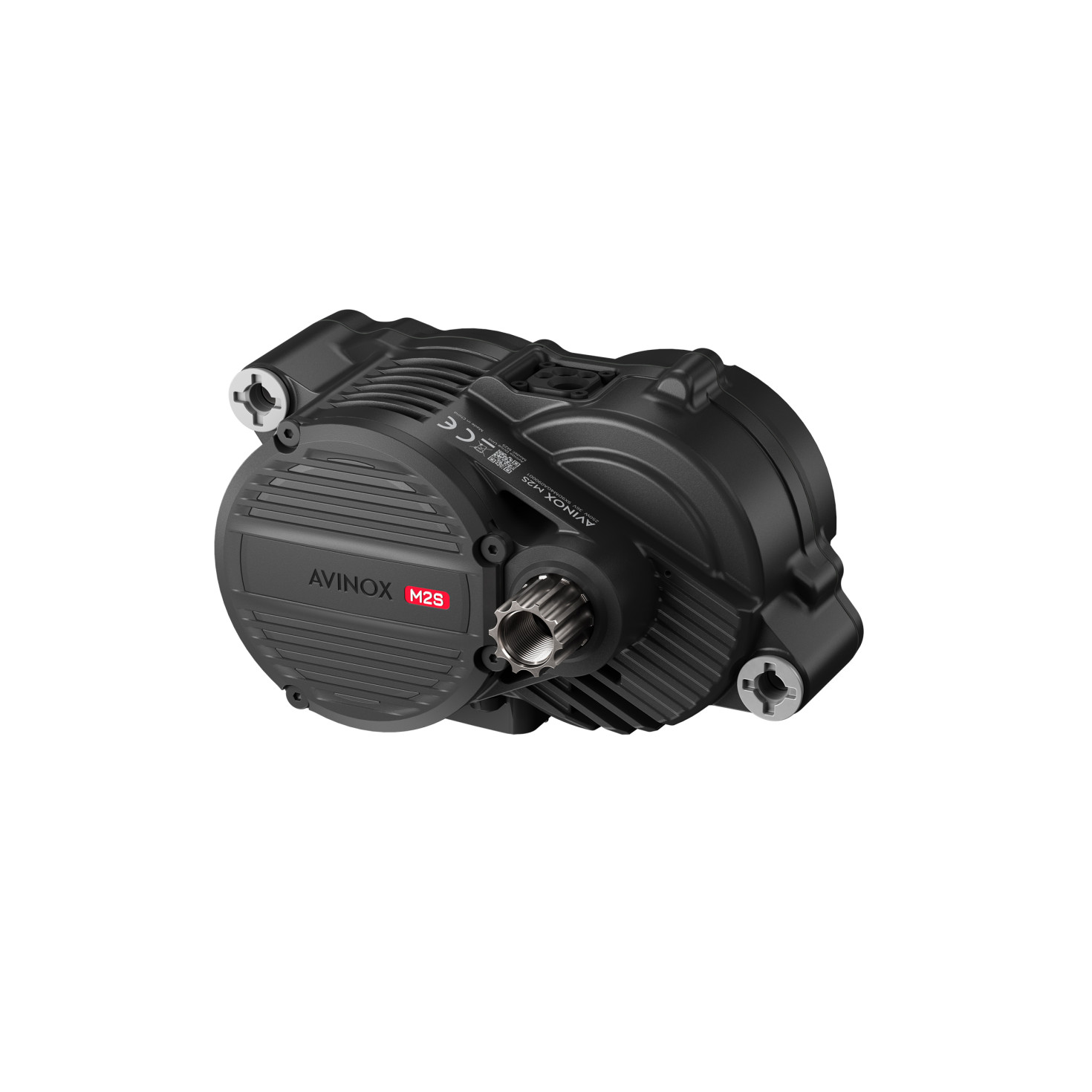
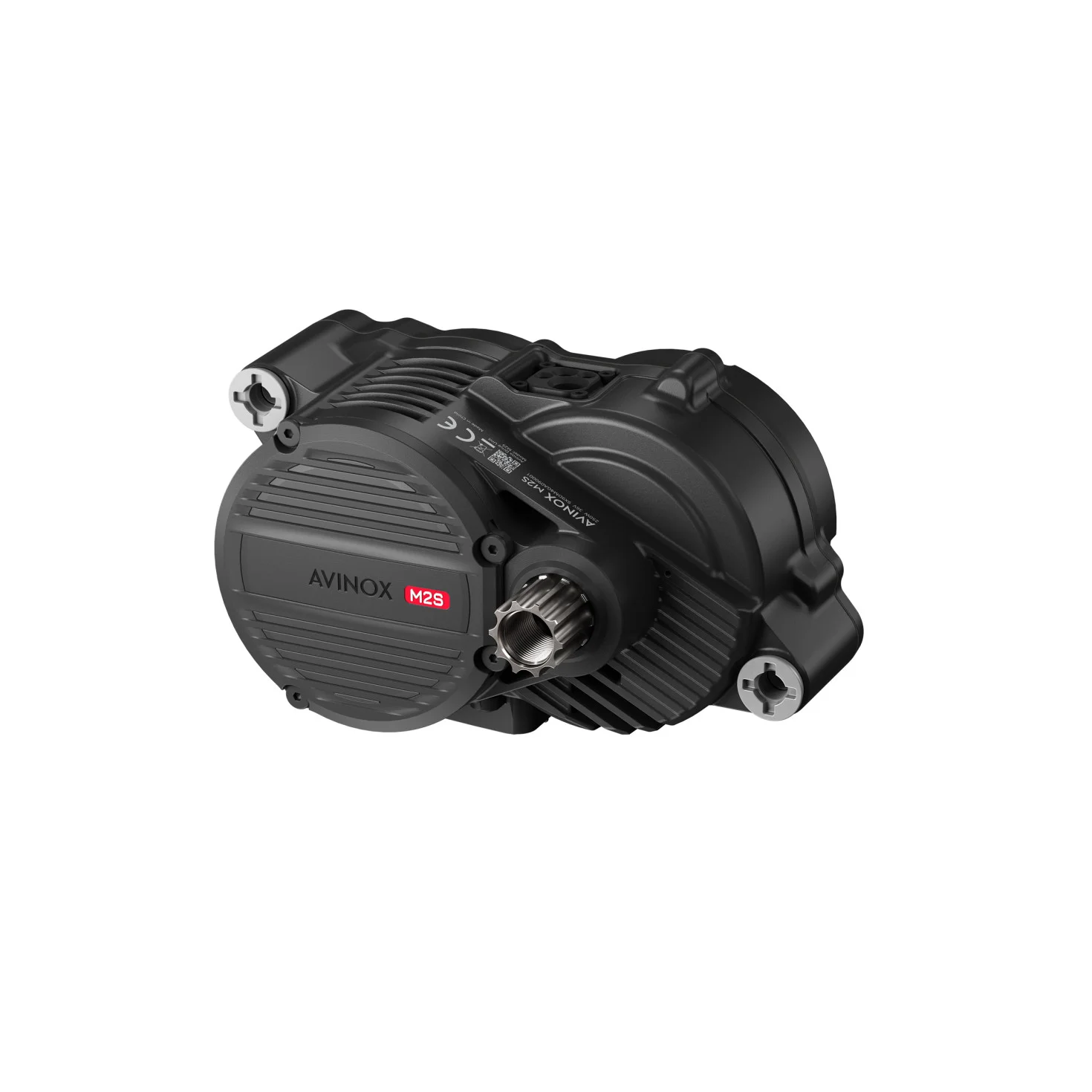
On 19 May 2026, Avinox published a statement directly addressing growing industry criticism: a more powerful eMTB motor does not equate to a faster bike or greater trail risk.
Power vs speed: what the Avinox statement from May 2025 says
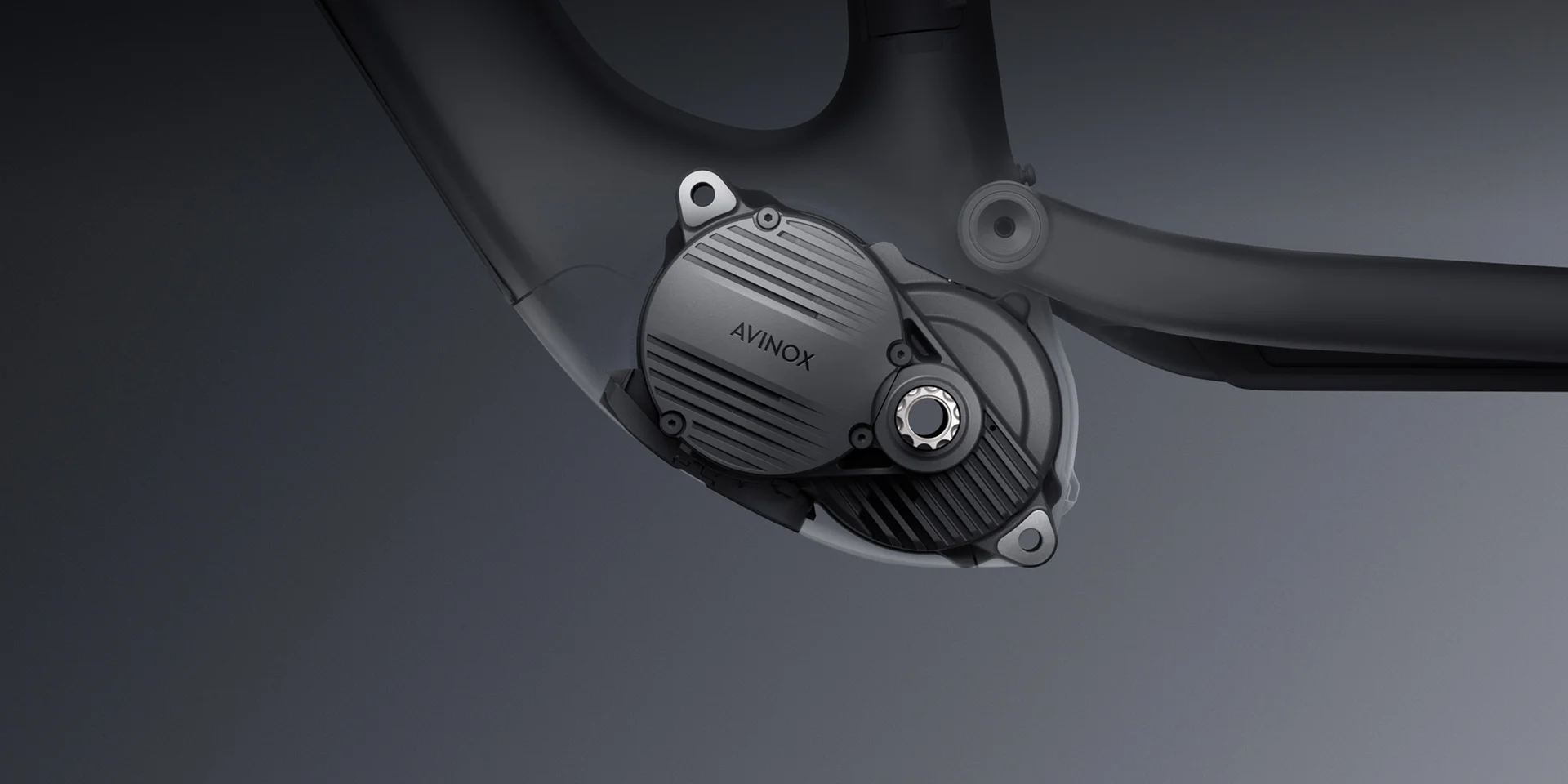
The manufacturer draws a distinction between two concepts that are frequently confused in eMTB discussions: power (torque delivery, the ability to overcome resistance) and speed (actual km/h). According to Avinox, its systems operate within the applicable speed limits for pedelecs, and high torque is intended primarily to help at low speeds, on steep climbs, in technical terrain, and when navigating rocky obstacles. The assistance algorithms are described as "smooth and predictable," which is said to reduce the risk of losing balance or coming to a stop in a difficult spot. The manufacturer also notes that the system automatically reduces power during gear changes to protect the drivetrain: chain, cassette and derailleur.
How much truth is there: the physics of climbing and real speed limits
Avinox's argument has solid physical foundations. On a 20% gradient a rider needs considerably more force than on a flat section, and a motor with higher torque allows them to maintain cadence and control without sudden jerks. A pedelec in the EU is limited to 25 km/h of assisted speed, so additional power translates into a better launch from a standstill and smoother obstacle clearance, not higher speeds on descents, where the motor isn't working anyway. Any bike, electric or not, can reach speeds exceeding 50 km/h on a descent, and that is a matter of brakes and rider skill, not the motor.
Democratising MTB and the accessibility argument for different user groups
Avinox points to specific groups of users for whom high power genuinely helps: people with disabilities, heavier riders, cargo-carrying riders, and seniors. This is an argument that has real backing in the real-world experiences of eMTB riders worldwide. For someone who, due to fitness level or physical limitations, would not be able to climb a steep trail on a conventional bike, a more powerful motor means access to trails that would otherwise be out of reach. The manufacturer suggests that a rigid power cap without technical justification could exclude precisely those users.
Health and fatigue: an e-bike doesn't exempt you from effort
The Avinox statement focuses on power and control, but overlooks one aspect that matters to riders: a bike, even an electric one, is a tool for physical activity. Research on eMTB consistently shows that riding an electric mountain bike engages the cardiovascular and muscular systems at a moderate to intense level, particularly on technical terrain. The motor assists but does not replace the rider's effort, and cadence and leg engagement remain key to training quality and long-term joint health.
The risk arises when very high assist power leads the rider to stop pedalling actively and treat the eMTB like a trail scooter. With that approach, most of the health benefits are lost, and the load placed on the brakes, tyres and frame grows disproportionately relative to the rider's skill level. Healthy fatigue after a ride is a sign that the system worked together with the rider, not instead of them. The Avinox statement addresses a genuine problem in the eMTB debate: motor power is often conflated with speed and danger, and that oversimplification does a disservice to sensible discussion about regulation.
Sources
- 01