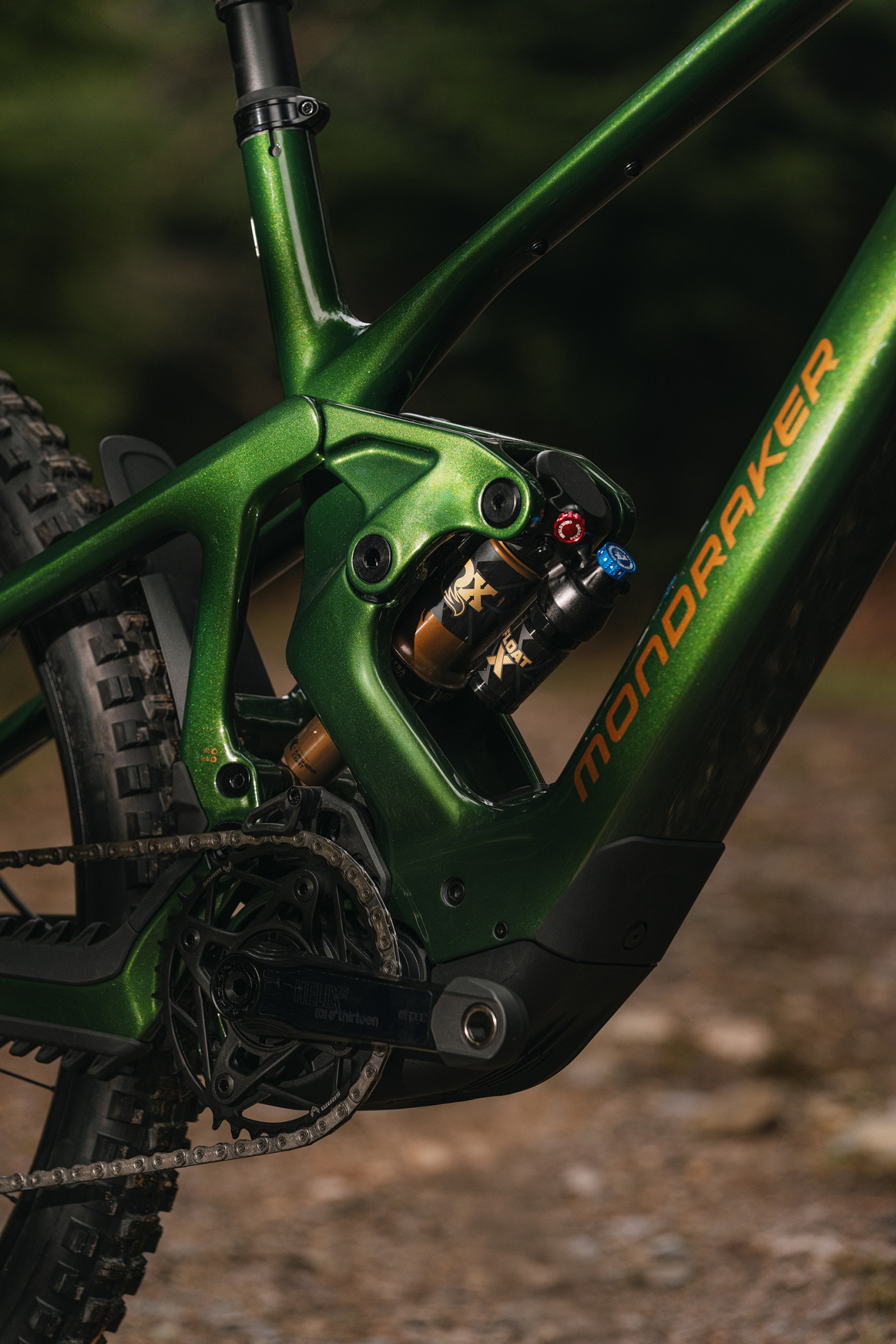
The Sidekick 2.0 is designed so that the hub doesn't interfere with suspension movement when you're coasting. In a conventional hub, the pawls of the freehub mechanism can still move slightly and transmit small jolts through the drivetrain. In the Sidekick 2.0, the pawls retract completely, so the drivetrain is fully disengaged and the suspension can move more freely.
Pedal kickback: what it is and why the Sidekick 2.0 eliminates it
Pedal kickback is the phenomenon in which rear suspension movement causes a momentary chain tension spike that kicks the cranks backwards. This happens when suspension compression changes the distance between the bottom bracket and the rear axle. The chain is pulled taut, and the force feeds back through the drivetrain to the cranks and pedals. In practice, a rider can feel this as a jolt, a harshness under impact, or less smooth suspension action.
The Sidekick 2.0 aims to reduce this effect in a fairly unconventional way. When you stop pedalling, the pawls in the hub retract completely, allowing the wheel to spin freely without constantly engaging the freehub mechanism and drivetrain. As a result, the rear suspension is better isolated from the cassette, chain and cranks, particularly during fast descents over rough terrain.
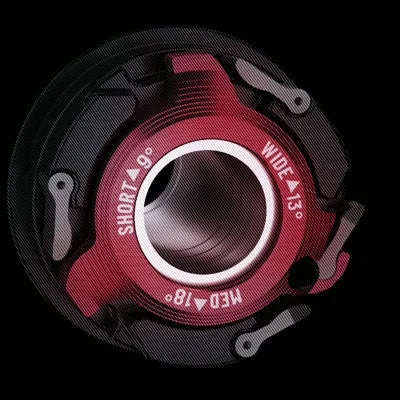
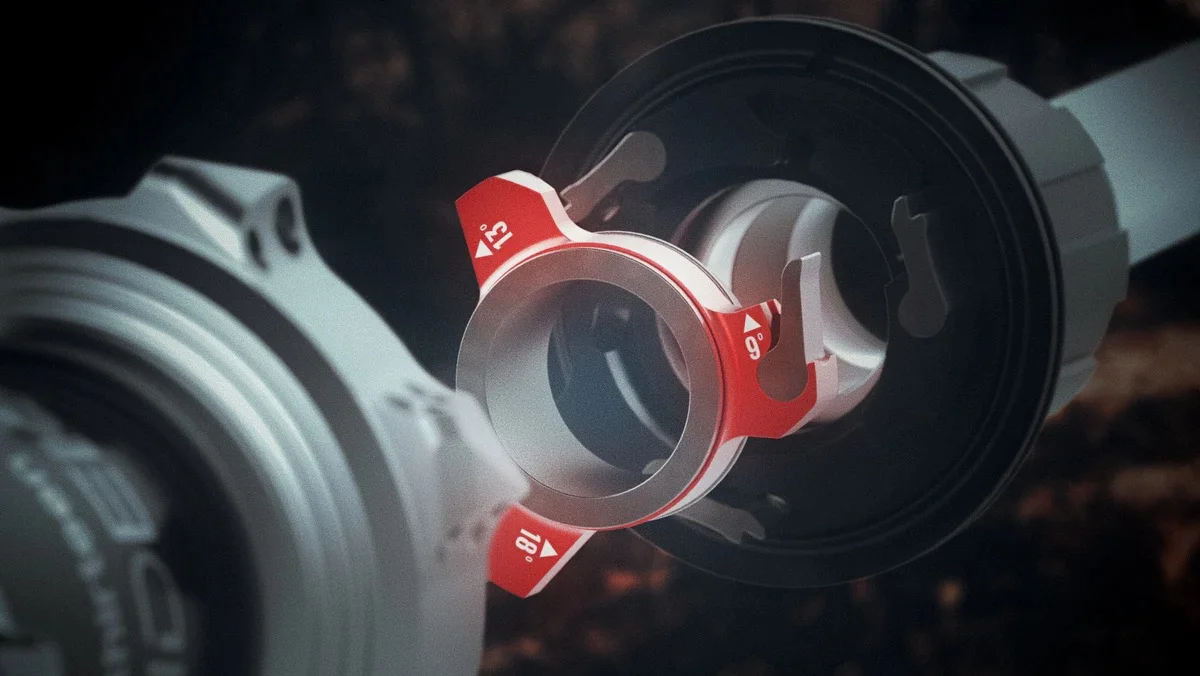
The previous version of the Sidekick was praised mainly for its quiet operation and low rolling resistance, but some users wanted a quicker pedalling response. The Sidekick 2.0 therefore offers several engagement angle settings: 9°, 13°, 18°, and a maximum-isolation mode for gravity riding. The 9° setting is intended to deliver a more direct feel, closer to a conventional hub, which is why the manufacturer recommends it for trail, all-mountain and mid-travel e-bikes, among others. Importantly, changing the setting requires no tools and can be done on the trail.
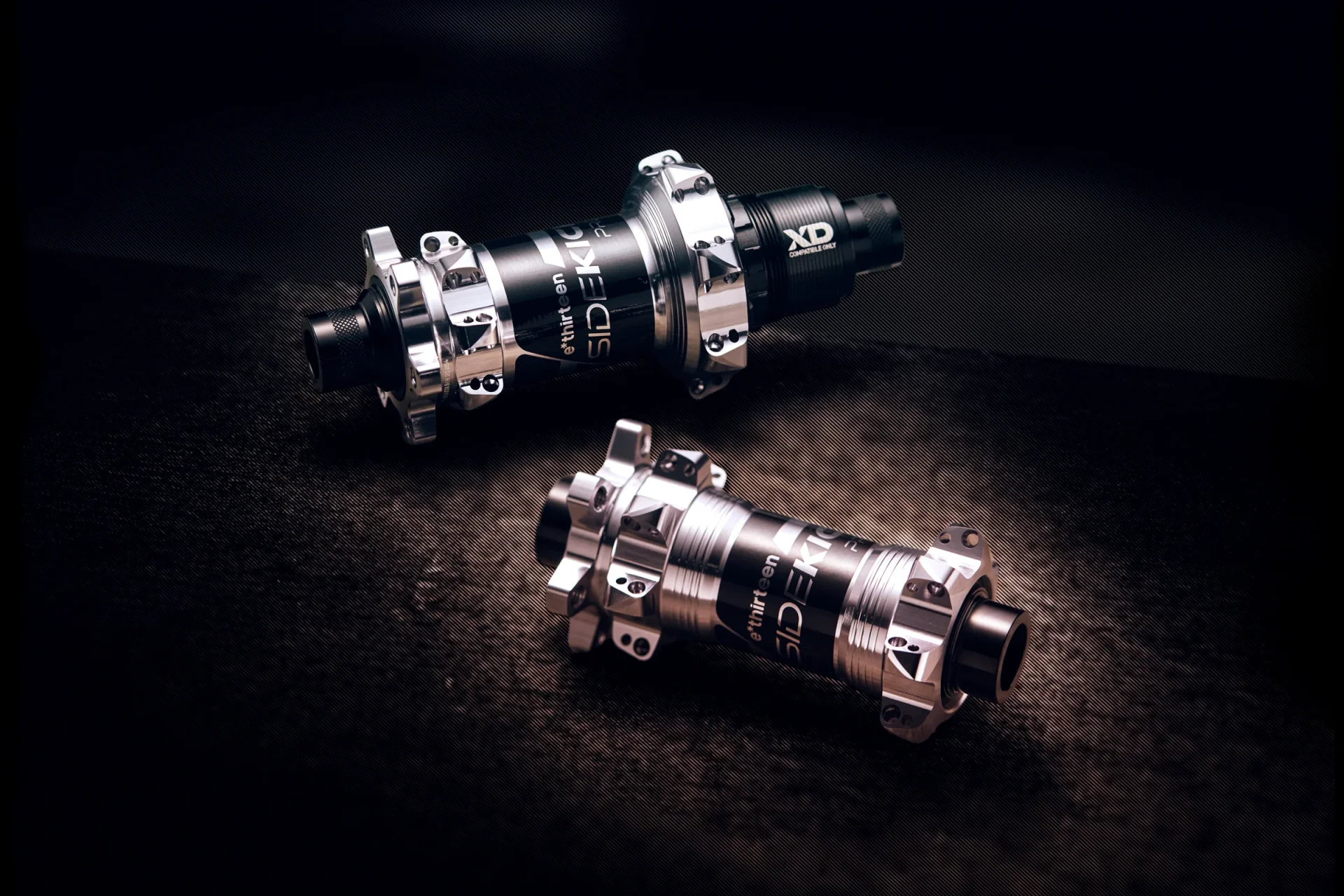
Magnetic pawl return, 30% less drag and a 275 g weight
The biggest change in the Sidekick 2.0 is the new pawl-return system. Instead of conventional springs, e*thirteen has used magnets to retract the pawls. This matters because springs in freehub mechanisms are components that can wear out or lose effectiveness over time. Removing them from the design is intended to improve the durability and reliability of the entire hub.
The manufacturer has also upgraded the bearings and seals, reducing friction compared with the first-generation Sidekick. According to e*thirteen, rolling resistance has dropped by a further 30%. Weight has also been cut significantly. The Pro Straight Pull version weighs 275 g, while the J-bend variant comes in at 300 g. That puts it on a par with lightweight conventional hubs, despite the Sidekick 2.0 featuring a considerably more complex mechanism. Compared with the first generation, weight has been reduced by as much as 38%.
The Sidekick 2.0 is also designed to be easier to service. The hub is fully rebuildable, and the construction has been engineered so that basic maintenance can be carried out at home without special tools. e*thirteen backs this up with a 10-year warranty on the hub and a lifetime warranty on bearings for the first owner, meaning that worn or damaged bearings will be replaced free of charge for the entire service life.
The manufacturer also highlights that Sidekick 2.0 has already been raced at World Cup level. The new version is also set to be significantly more affordable than the first generation. e*thirteen is introducing several price tiers so that the technology isn't reserved solely for the most expensive bikes and the most elite riders.
Sources
- 01