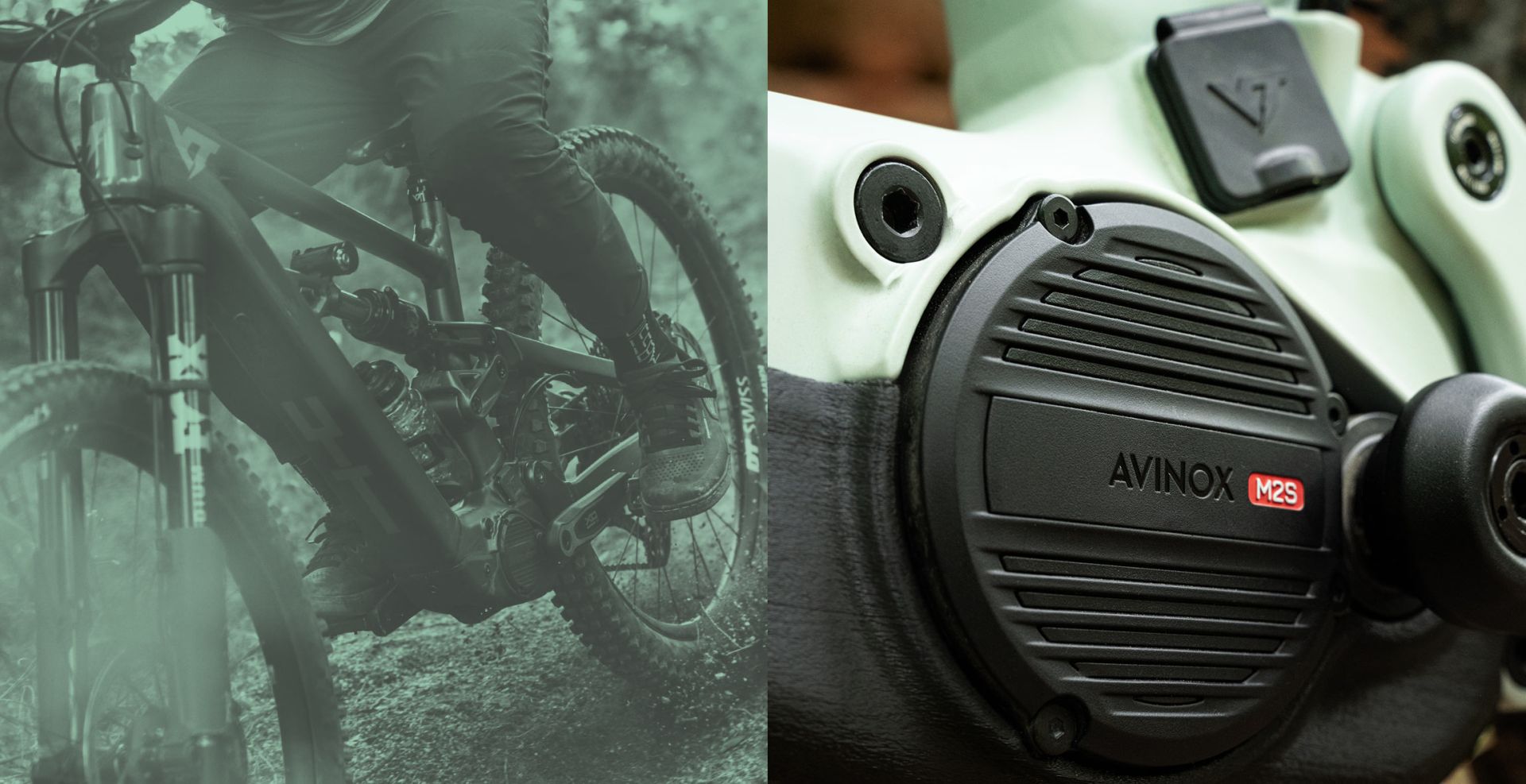
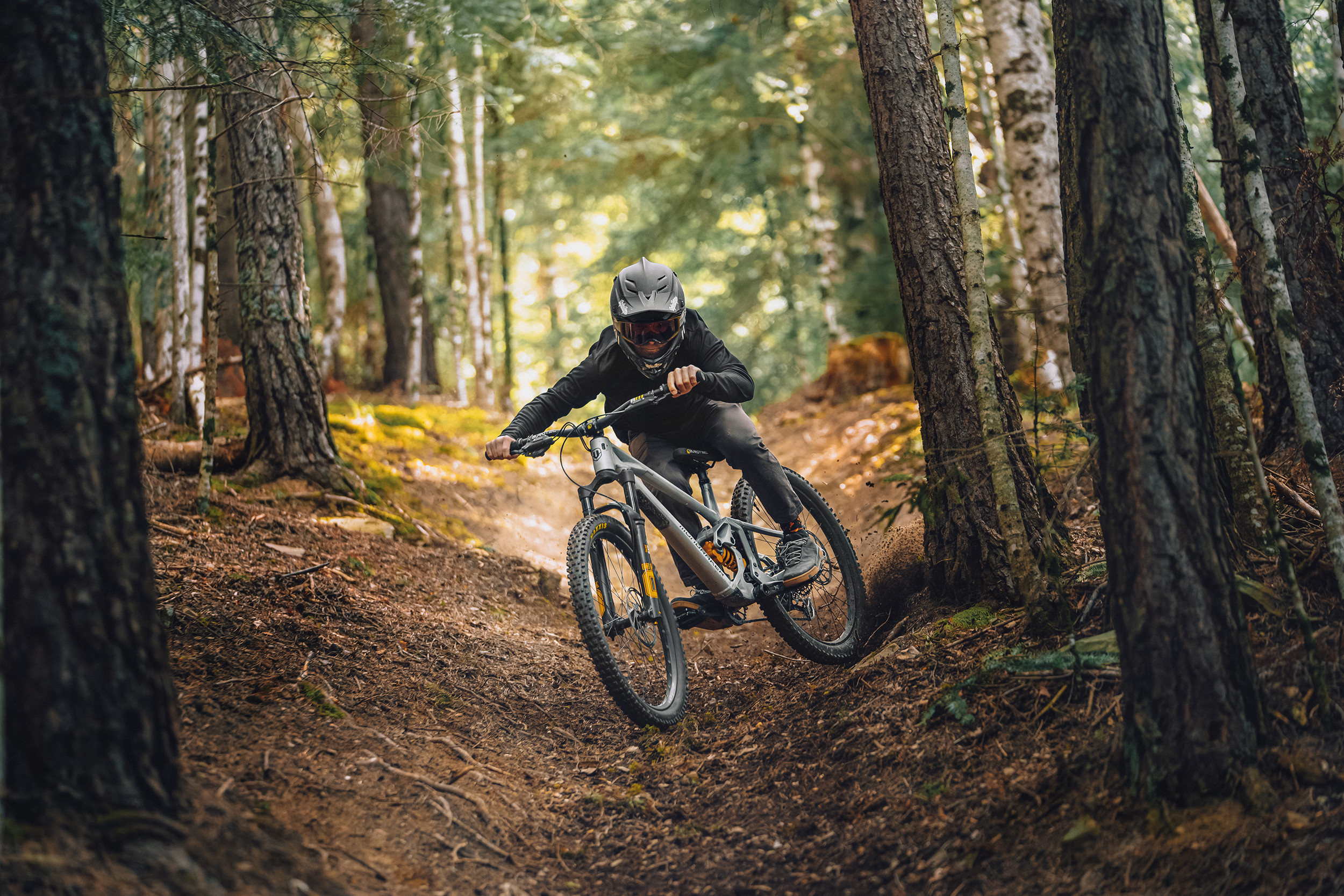
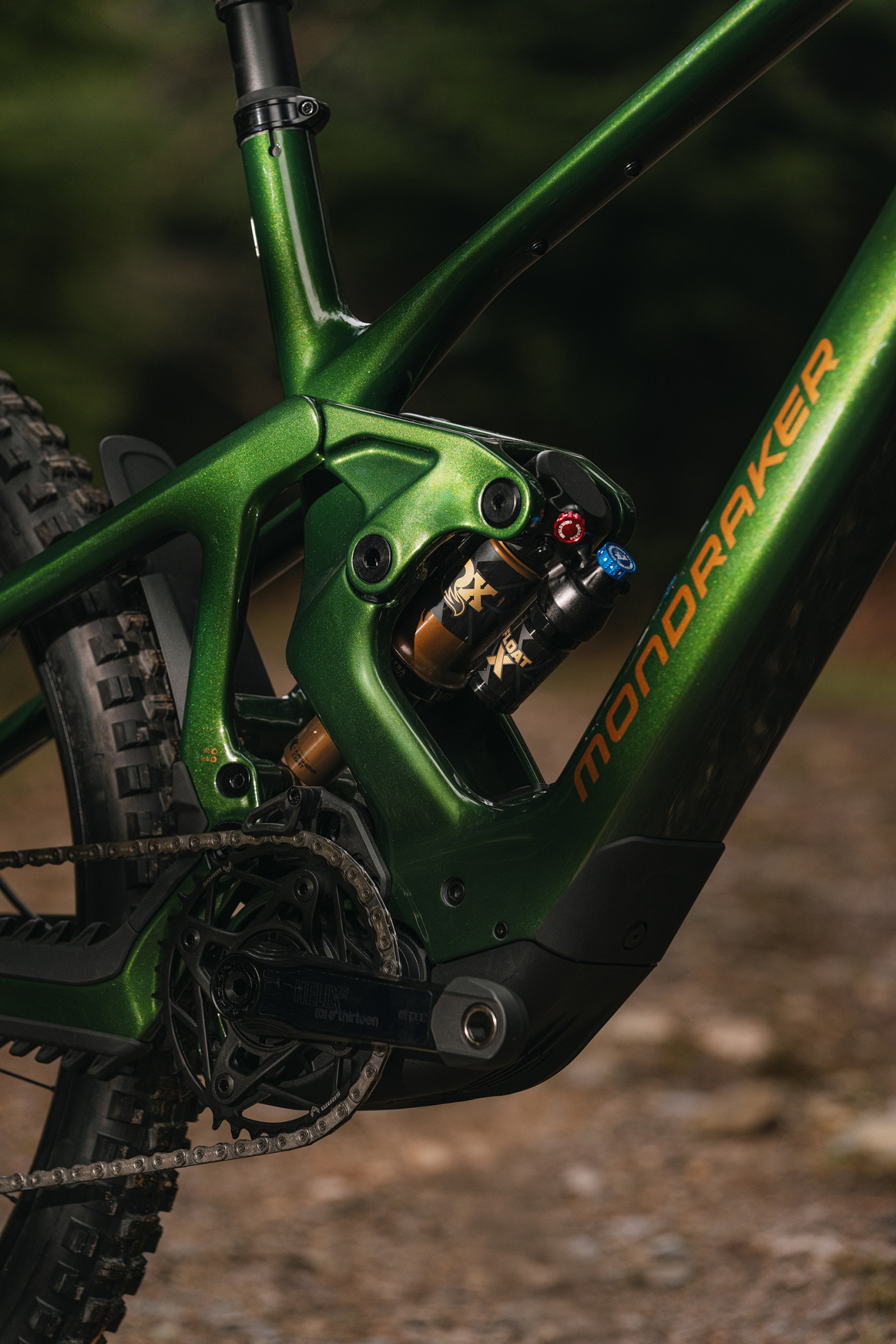
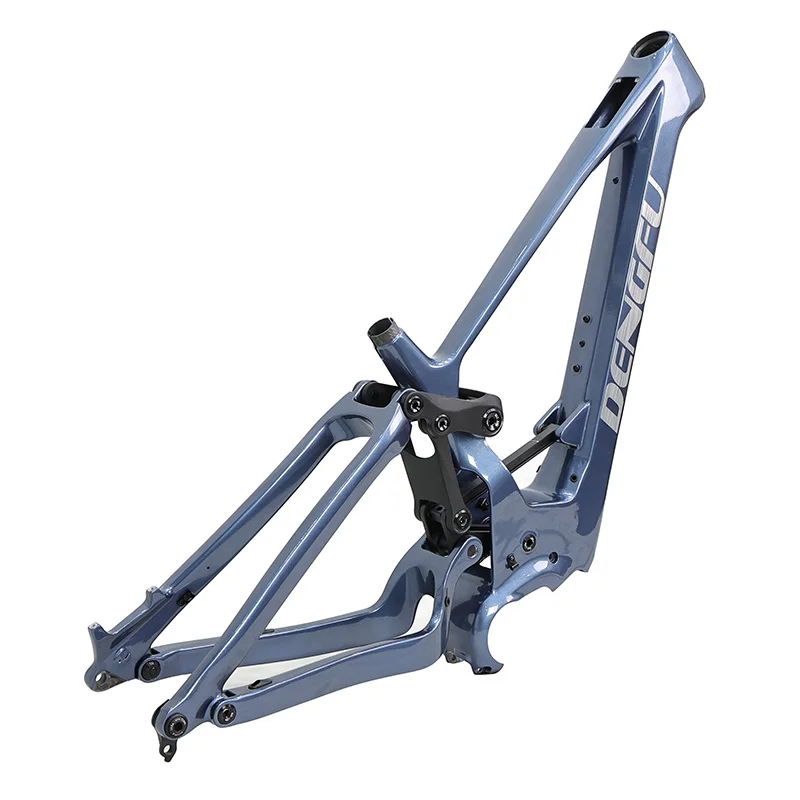
Dengfu has unveiled two new frames: the E104 for Bafang M510/M560 motors with a 1008 Wh battery, and the E130 for the Avinox M2S motor with 170 mm of travel and geometry aimed at fast enduro riding. Both frames are offered as OEM platforms for self-builds.
E104: Bafang M560, 140 Nm and a 1008 Wh battery as standard
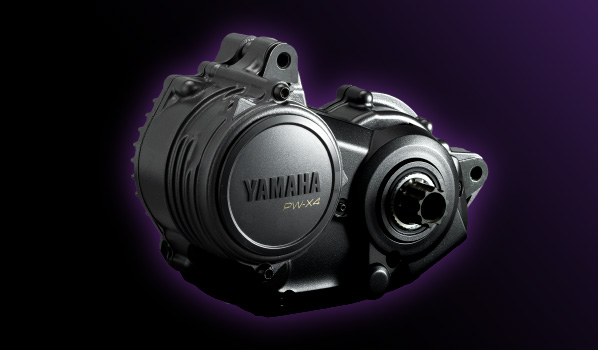
The E104 frame is made from full T700 and T800 Toray carbon and supports two Bafang drivetrain variants: the M510 250 W / 95 Nm and the more powerful M560 140 Nm. The latter is one of the more capable mid-drive motors in Bafang's range, and the 1008 Wh battery capacity matches the real-world demands of such a powerful motor.
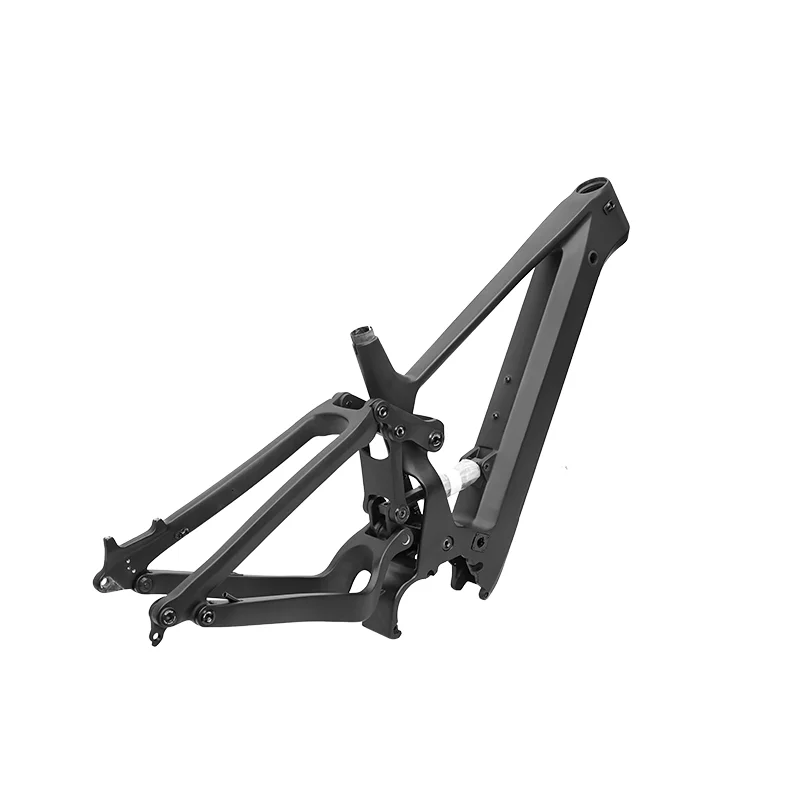
E130: T800 Toray carbon, Avinox M2S motor and 170 mm of travel
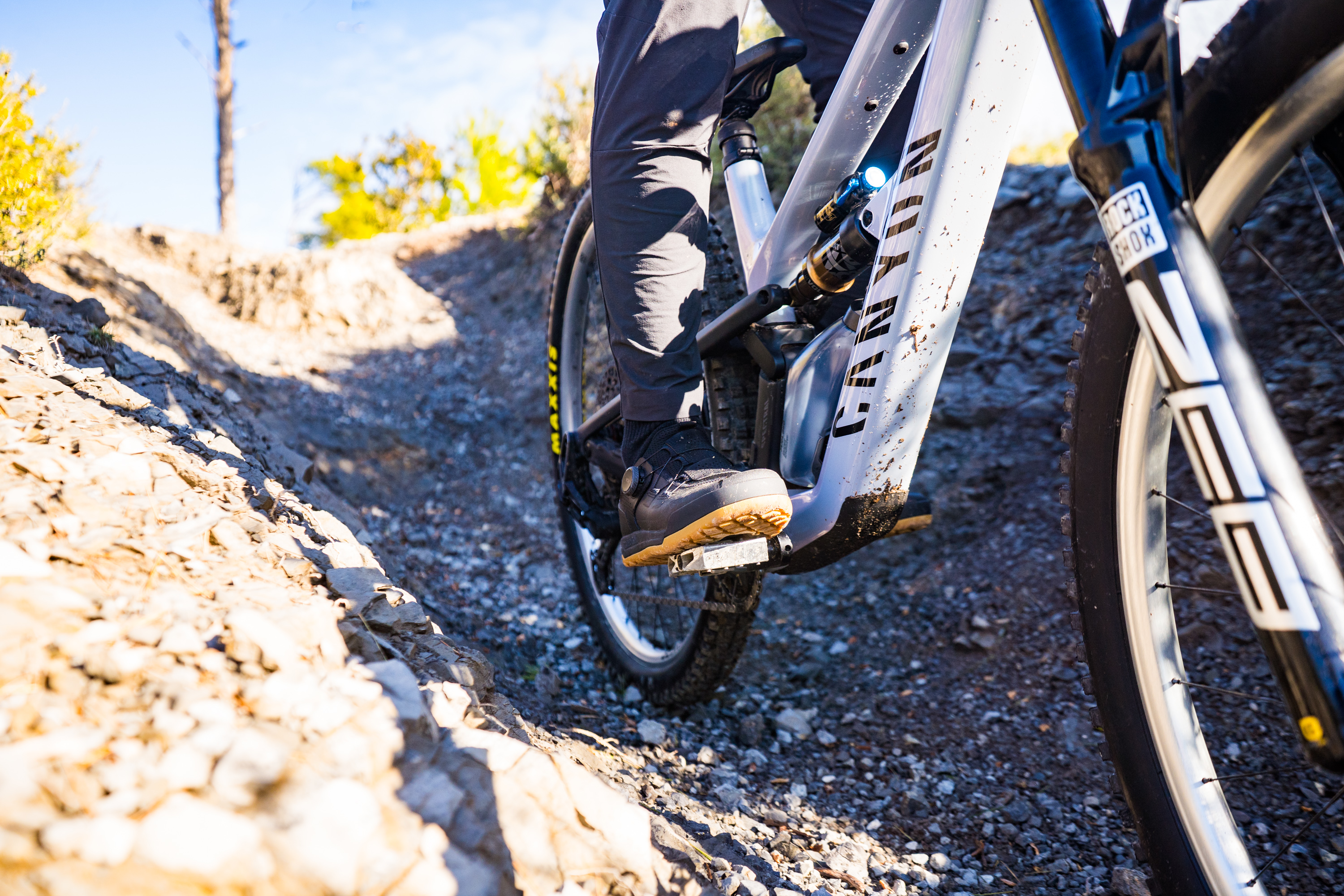
The E130 frame is built exclusively from T800 Toray carbon, a higher-grade fibre than the T700 used in cheaper OEM frames. T800 features a higher modulus of elasticity and greater tensile strength, which on an enduro frame with 170 mm of travel translates directly into lateral stiffness and fatigue resistance. The rear shock format is 230x60 mm, and the whole package is designed around the Avinox M2S (DJI) motor.
The internal battery has a capacity of 800 Wh. With the Avinox motor, which is known for its high efficiency and relatively low energy consumption in trail modes, that capacity should be sufficient for full enduro sessions.
E130 geometry: 64° HTA, 180% anti-squat and 1241.5 mm wheelbase
Dengfu has published a detailed kinematic breakdown of the E130. The head tube angle is 64° and the wheelbase is 1241.5 mm. The manufacturer claims a leverage progression of 63.9% with an average leverage ratio of 1.81. This combination means a supple stroke beginning over small bumps and very firm support under heavy hits, with minimal risk of the shock bottoming out.
An anti-squat figure above 180% combined with a pedal kickback angle below 10° is data that rarely comes together in 6-link designs. High anti-squat limits suspension squat under pedalling (an effect similar to a hardtail on climbs), while low pedal kickback means the pedals don't kick back. Dengfu explicitly describes this as a bypass of the classic design trade-off.
An anti-rise of 26–39% is an intentionally low figure. Under braking, the rear suspension remains active and does not lock up as it would with a high anti-rise value, maximising traction on corner entry. The trade-off is a slight rear-axle rise under hard braking, but with enduro geometry featuring a 64° HTA and such a long wheelbase, this should not destabilise the bike.
Building an eMTB on an OEM frame with an Avinox M2S- or Bafang M560-class motor and top-tier components (Fox Factory, wireless SRAM, premium brakes) can cost 15 000–25 000 zł depending on component selection. Ready-built bikes with comparable specs retail for 35 000–60 000 zł. The difference comes down to distributor margin, assembly costs and manufacturer warranty, with a DIY build, the risk transfers to the buyer.
Toray T800 carbon:
T800 fibre has a higher modulus of elasticity (294 GPa vs 230 GPa for T700) and greater tensile strength, allowing the designer to reduce laminate thickness while maintaining the same stiffness, or to achieve higher stiffness at the same weight. On an enduro frame with 170 mm of travel and a mid-drive motor that generates large torsional forces around the bottom bracket area, choosing T800 as the sole material has sound engineering justification.
Sources
- 01dengfu
- 02